

Call us: +91 9274777698
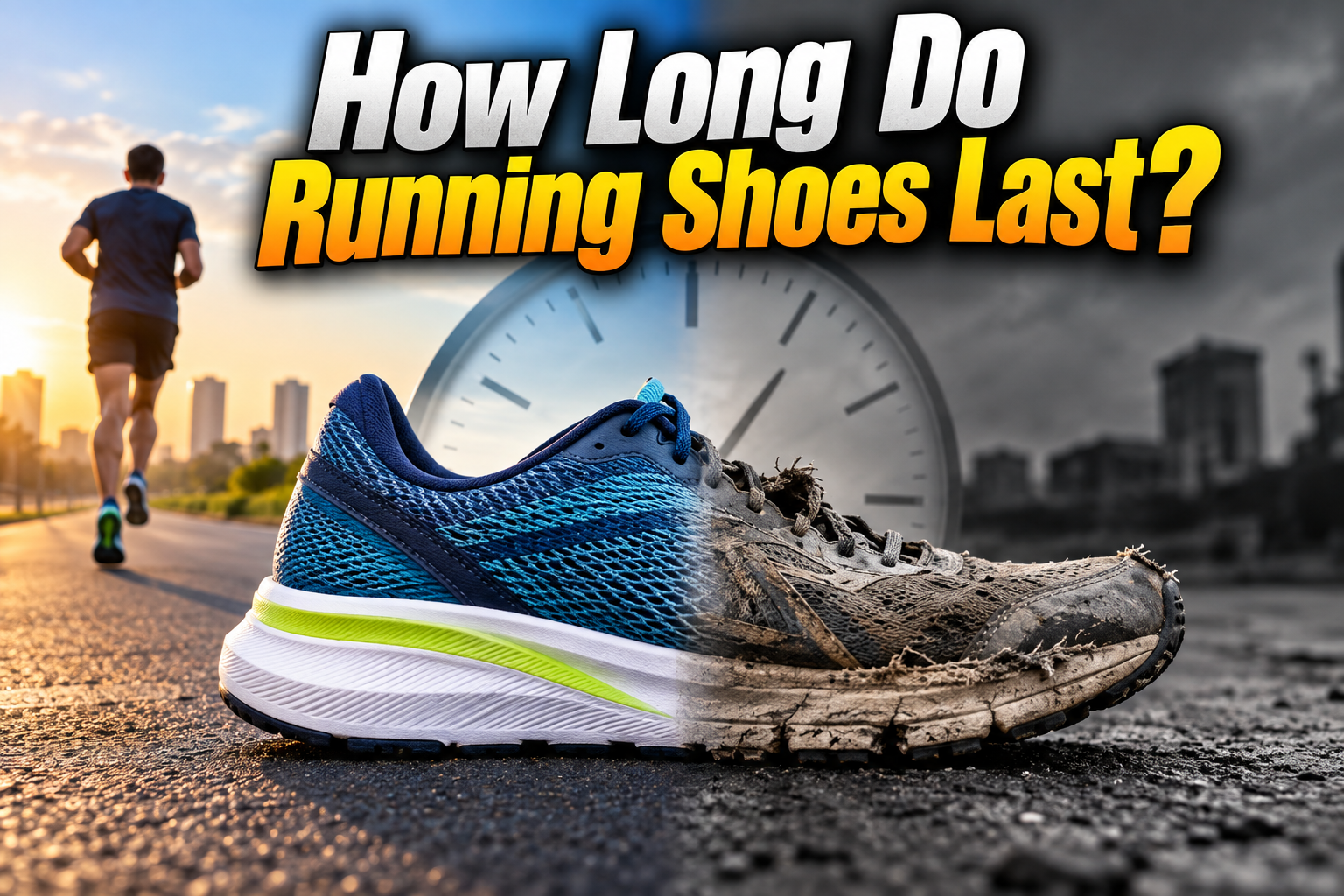

Running shoes do not last forever, and their lifespan depends on how often you run, your running style, the surface you run on, your body weight, and the type of shoe you use. Over time, the cushioning can lose its responsiveness, the outsole can become worn, and the shoe may no longer provide the same comfort and support.
In this guide, we explain how to know when your running shoes need replacing, what signs of wear you should look for, how mileage affects shoe life, and how proper care can help you get the most out of your running shoes. Whether you are a beginner, a regular runner, or training for a marathon, understanding when to replace your shoes can help you maintain comfort and performance while reducing unnecessary stress on your feet.
How to Know When Your Running Shoes Need Replacing
Knowing when to replace your running shoes is important because worn-out shoes may no longer provide the cushioning, comfort, stability, and grip you need while running. Instead of replacing them only based on age or mileage, look at the actual condition and how they feel on your feet.
1. The cushioning feels different
If your shoes feel harder, flatter, or less comfortable than when you first bought them, the midsole may have lost some of its cushioning and responsiveness.
2. You start feeling more impact
If you notice more impact or discomfort while running, especially on your feet, ankles, knees, or legs, it may be a sign that the shoe is no longer providing the same level of protection and cushioning.
3. The outsole is badly worn
Check the bottom of the shoe. If the rubber is heavily worn, smooth, uneven, or showing areas where the midsole is exposed, the shoe may need replacing.
4. The shoe looks visibly compressed
Look at the midsole from the side. If you can see deep creases, permanent compression, or one area that has collapsed more than the other, the shoe may have reached the end of its useful life.
5. Your feet feel less stable
If your shoes suddenly feel less supportive, wobbly, or uneven, particularly during turns or longer runs, don’t ignore it. Changes in the shoe’s structure can affect how it feels while running.
6. The upper is losing its shape
A torn or stretched upper isn’t always an automatic reason to replace a shoe, but if your foot is moving excessively inside the shoe, the fit has changed significantly, or important areas are damaged, it’s time to consider a new pair.
7. Your running shoes have become uncomfortable
Sometimes your feet tell you before your eyes do. If a shoe that was previously comfortable starts causing rubbing, pressure points, slipping, or unusual discomfort, check whether the shoe has worn out.
Don’t rely only on mileage
Mileage can be useful as a general reference, but there is no single distance at which every running shoe must be replaced. A runner who uses the shoes mainly on smooth roads may experience wear differently from someone running regularly on rough surfaces.
The best approach is to regularly check cushioning, outsole wear, midsole condition, fit, and comfort.
Simple rule: If your running shoes no longer feel or perform like they used to, inspect them carefully. If several signs of wear appear together, it’s probably time to start looking for a replacement.